
Few business decisions carry bigger risks than hiring. You spend months sourcing, interviewing, and negotiating.
You find someone with the perfect résumé.
They check every box on the skills list. You hire them, and three months later… it’s a disaster.
Why? Because you didn't hire a résumé. You hired a human.
Most hiring challenges don't stem from a lack of technical skill; they happen because of a misalignment in behavioral style, motivation, or communication. We often hire for competence (what they can do), but we fire for chemistry (how they work).
And the cost of a bad hire is staggering...
“A single bad hire can cost you 30% of the employee's first-year earnings – an expense that typically increases with job level.”
And that’s just the financial hit; it doesn't account for the drained morale and killed momentum.
If you want to stop gambling and start building a high-performing team, you need to upgrade your talent acquisition strategy.
Here are the 5 most common hiring mistakes leaders make – and the playbook for fixing them.
Mistake #1: Misunderstanding Culture Fit vs. Culture Add
The "Clone" Trap
 We naturally gravitate toward people who act like us. When a candidate communicates the way we do and thinks the way we do, it can easily feel like a "good culture fit."
It’s actually a blind spot.
If you’re a team of fast-moving, big-picture risk-takers, hiring another one feels great in the interview, but it leaves you vulnerable ...
Who is checking the details? Who is ensuring stability?
To build a resilient team, you need to prioritize culture fit vs culture add.
Don't just hire for "Fit" (sameness). Hire for "Add" (diversity). Look for the behavioral style your team is currently missing.
Mistake #2: Failing to Create a Soft Skills List
Ignoring the "Behavioral Traits" Spec
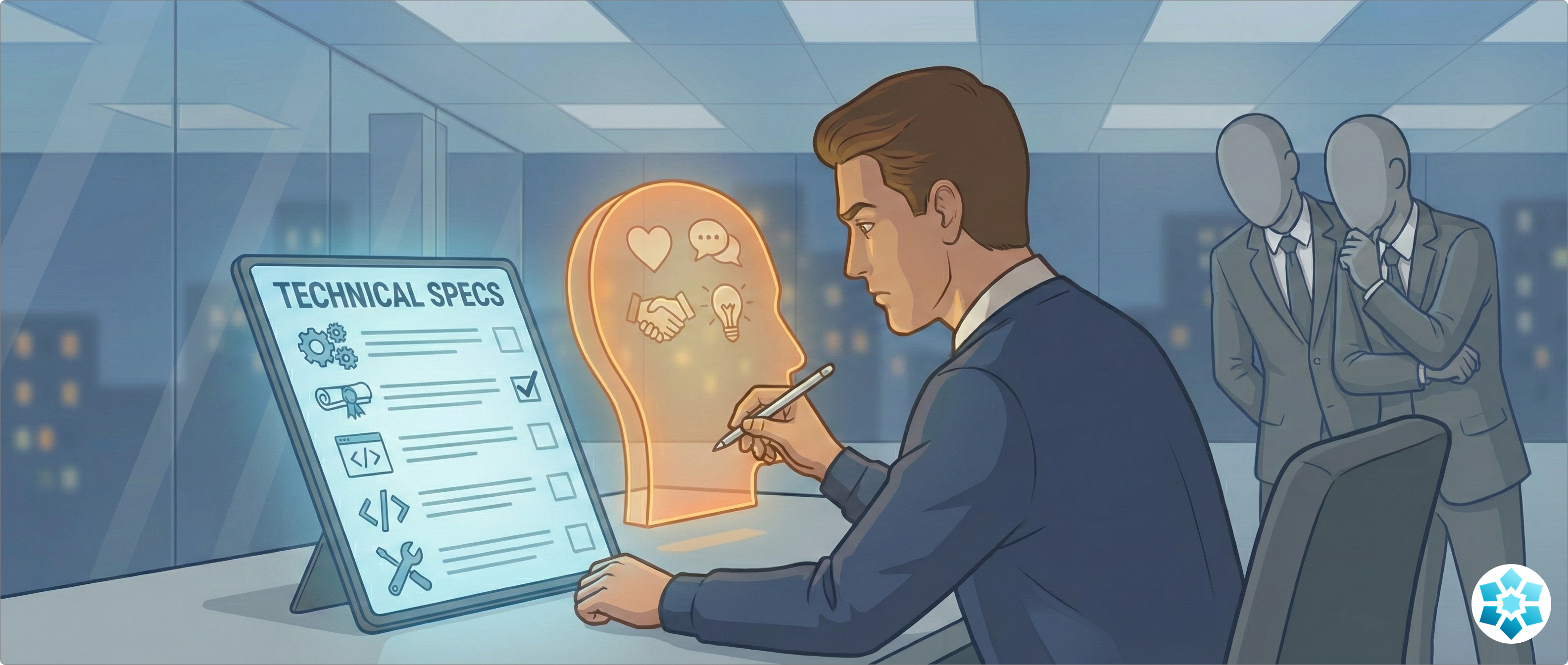 Your job description likely has a detailed list of technical requirements:
5+ years in SaaS sales, Salesforce certified, experience with outbound prospecting.
But does it have a defined soft skills list?
Most job descriptions ignore the day-to-day reality of the role:
A sales role doesn't just need "closing skills"; it might need the resilience to handle 50 'no's a day without losing steam. A customer support role doesn't just need "product knowledge"; it needs the patience to de-escalate angry users calmly.
Assessing soft skills is just as critical as checking their quota history or expansion rates.
Define the ideal behavioral profile before you start interviewing. If the role requires deep focus and accuracy, a high-energy social butterfly will likely burn out, even with a 'perfect' résumé.
Mistake #3: Skipping Structured Interview Questions
The "Gut Feeling" Interview
 "I just had a good feeling about them."
That’s not a strategy; that’s bias.
Unstructured interviews are notorious for favoring highly charismatic candidates who interview well but might struggle with execution. Meanwhile, quieter, thoughtful candidates often get overlooked despite being potential top performers.
To reduce bias, your process must rely on structured interview questions to better understand their strengths and weaknesses.
Charisma is not competence. You need a structured way to see past the first impression and evaluate how they will actually work.
- For a fast-paced, dominant candidate: Ask about times they had to slow down and collaborate.
- For a steady, process-driven candidate: Ask about times they had to adapt to sudden change.
- For an outgoing, sociable candidate: Ask about their attention to detail and follow-through.
Mistake #4: Ignoring Individual Preferences When You Hire
Selling the Role the Same Way to Everyone
 Top talent has options.
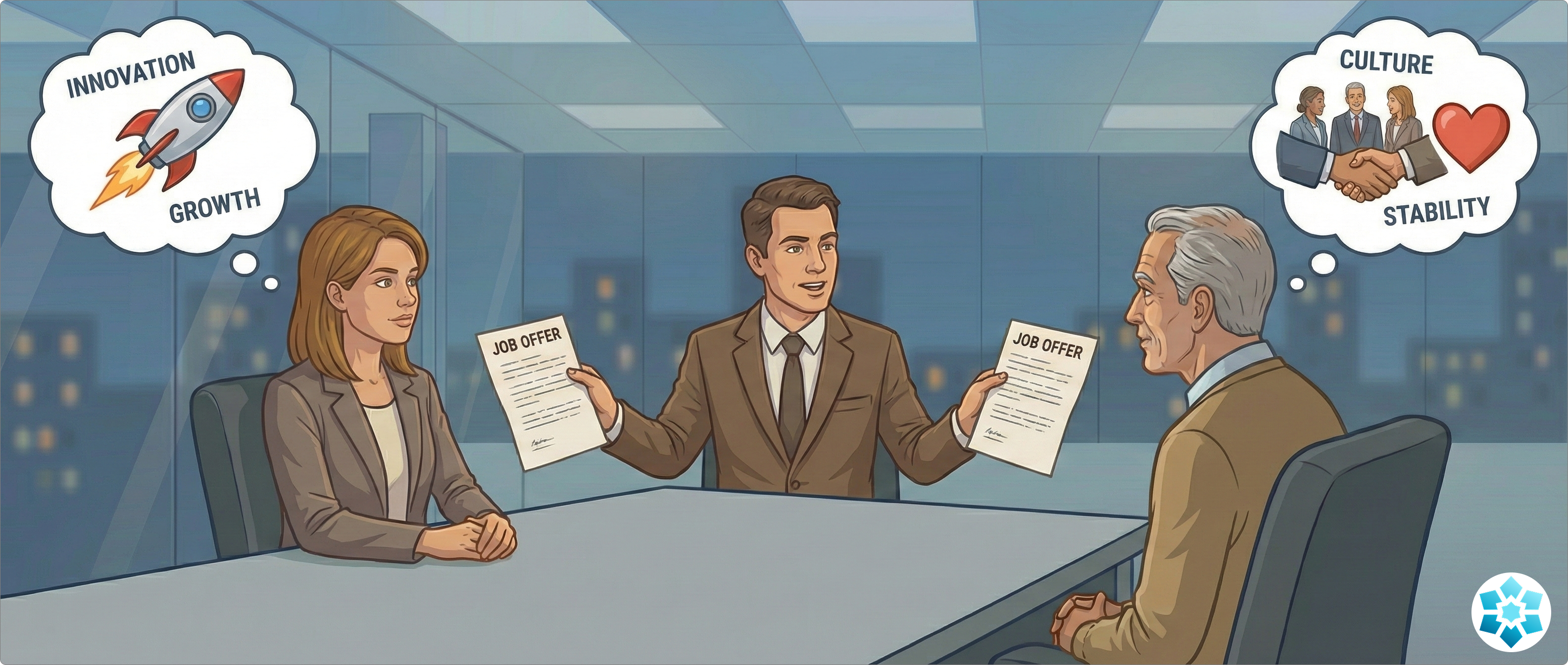
In a competitive market, learning how to hire employees effectively means you have to sell the role – but you can’t use the same pitch for everyone.
Data proves this isn't just a theory. LinkedIn's research shows that candidate priorities change drastically by role – for instance, engineers are far more motivated by innovation, while HR professionals prioritize company culture. If you use a generic script, you'll miss the specific hook that actually lands the candidate.
The "close" starts in the first interview. Tailor your pitch to what motivates the human across the table.
- If they ask about growth and impact: Sell the autonomy, the challenge, and the upside.
- If they ask about process and team structure: Sell the stability, the clear expectations, and the support.
Mistake #5: Overlooking Communication Styles in Onboarding
Ignoring the "Day 1" Friction
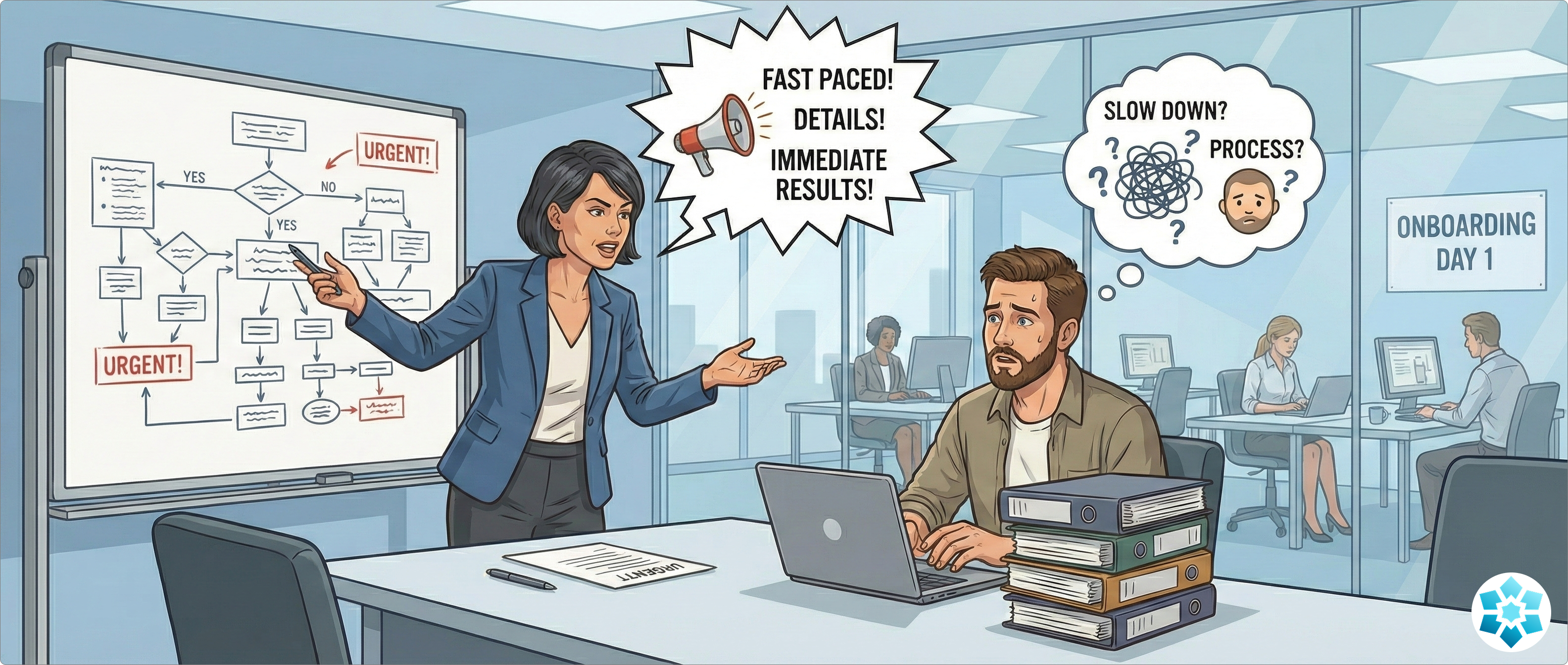 The first 90 days are critical. This is where most new hires silently struggle – not with the work, but with decoding their manager.
Here is the classic trap: A direct, fast-paced manager hires a sensitive, methodical employee.
- The Manager's Intent: Move fast and break things.
- The Employee's Perception: "My boss is abrasive, impatient, and doesn't care about quality."
Conversely, the manager thinks the employee is "slow" or "indecisive." Both are wrong. They just speak different languages, and without a translation layer, this invisible friction leads to early burnout.
Onboarding isn't just about setting up a laptop. It's about creating a "User Manual" for how to work together.
- "Here is how I tend to give feedback (and how I like to receive it)."
- "Here is how I prefer to receive updates (Slack vs. Email vs. Meeting)."
- "Here is what stresses me out (and how I act when I'm stressed)."
The Solution: Using Personality AI to Predict Fit
The root cause of all 5 mistakes is the same: treating every candidate like a generic applicant (or worse, like a clone of yourself).
To avoid these traps, you need a system to decode a candidate's natural wiring before you hire them. You don't need a PhD to do this. Tools like Crystal allow you to predict a candidate's personality for free by simply analyzing their LinkedIn profile or sending them a quick survey.
This Personality AI uses the DISC framework to categorize the complex behaviors we've discussed into four predictable patterns, giving you a shortcut to understanding who the person actually is.
Here is your decoder ring for the four styles:
- D (Dominance) → Direct, firm, and results-oriented. They value speed and autonomy.
- I (Influence) → Outgoing, enthusiastic, and optimistic. They value collaboration and spontaneity.
- S (Steadiness) → Even-tempered, accommodating, and patient. They value consistency and support.
- C (Conscientiousness) → Analytical, reserved, and precise. They value accuracy and logic.
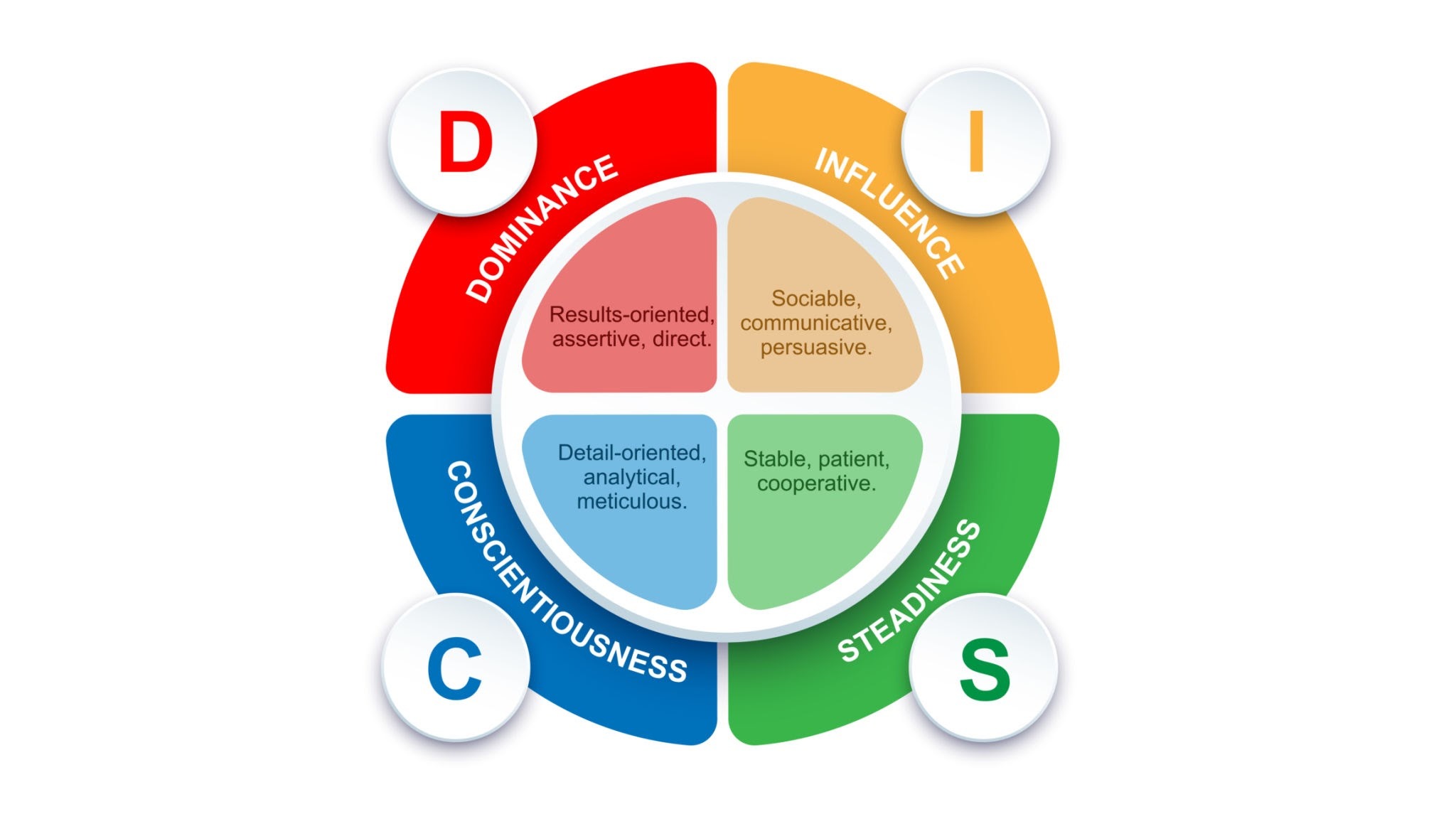 How to use this cheat sheet:
Use the table below to map the candidate's style to the specific fixes for the mistakes we covered.
| Style | Mistakes #1 & #2 (Best Fit For...) |
Mistake #3 (Probing Blind Spots in Interviews) |
Mistake #4 (How to Sell the Position) |
Mistake #5 (Onboarding Need) |
|---|---|---|---|---|
| D (Dominance) | Leadership, Sales, Quick Decisions | Ask about: Speed & Autonomy | Sell: Decisions & Speed | Clear goals & authority |
| I (Influence) | PR, Creative, Networking | Ask about: Persuasion & People | Sell: Fun & Visibility | Social connection & fun |
| S (Steadiness) | Support, Ops, Client Success | Ask about: Process & Consistency | Sell: Peace & Security | Clear roadmap & support |
| C (Conscientiousness) | Finance, Engineering, Data | Ask about: Accuracy & Logic | Sell: Clarity & Quality | Data access & time to think |
It’s important to remember: Personality predicts preference, not ability.
In the context of Skills vs. Style, think of it this way:
- Hard Skills tell you if they can do the job (e.g., can they manage the project?)
- Personality tells you how they will do it (e.g., will they drive it with urgency or careful planning?)
Any style can succeed in any role. A C-Style (Analytical) can be a phenomenal CEO, and an I-Style (Influential) can master complex data. They will just approach those challenges differently.
Don't use this data to box people in. Use tools like Personality AI to understand the "how" – so you can support their unique working style from Day 1.
Stop Hiring Resumes. Start Hiring People.
The companies that win the talent war aren't just finding people with the right skills – they're designing teams with the right chemistry. They are using data to predict fit, remove bias, and tailor the candidate experience.
You don't need a "gut feeling" to avoid these common hiring mistakes – you need better data.