
This is Part 3 of our series on Personality Neuroscience. Click here to read from the beginning.
The ancient study of personality relied on intuition and observation, and it certainly got some of the core ideas right.
However, 21st-century advances in brain scanning technology and molecular genetics have allowed us to start learning about theunderlying biological causesof personality differences. This new field is called personality neuroscience.
Personality neuroscience has two goals (DeYoung, 2016):
1. Understand the mechanisms of the brain that influence personality.
2. Understand how both genetic and environmental forces create these mechanisms.
To accomplish these goals, psychologists and neuroscientists conduct research with a variety of tools, some new and some old…
Personality Assessments
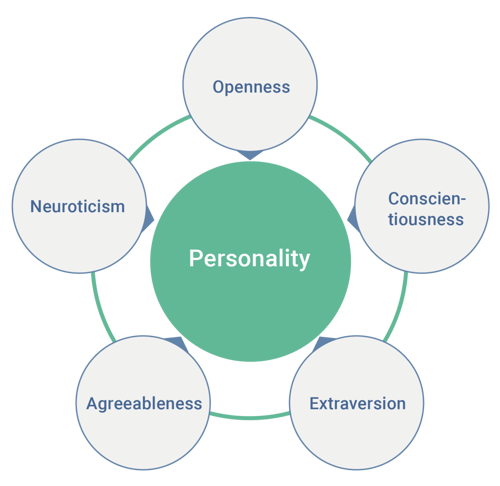
TheFive Factor Model (the “Big Five”)has emerged as themostscientificallyvalidatedpersonality model, with 5 dimensions that can be measured independently:
- Openness
- Conscientiousness
- Extraversion
- Agreeableness
- Neuroticism
With that relatively new consensus, researchers now have a standardized foundation to study both the causes and effects of personality differences.
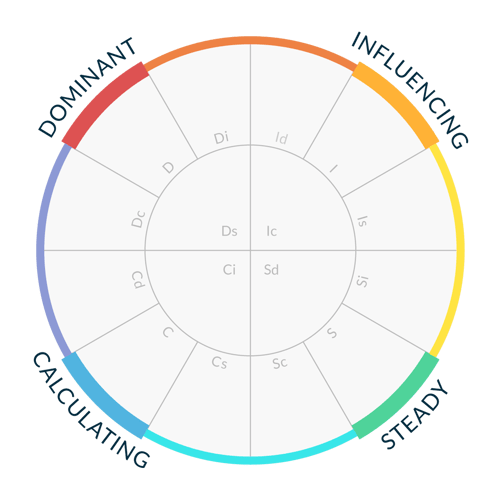
Assessments likeDISCand theInterpersonal Circumplexorganize these traits in a way that helps us understand relationships between people. These models arevalidatedby the Five Factor Model, but they only correlate to the 3 traits that are interpersonal in nature -Extraversion,Agreeableness, andConscientiousness.
Behavioral & Cognitive Tasks
Personality questionnaires have limitations. They rely on self and peer-assessment, so they are naturally susceptible to manipulation and inconsistency.
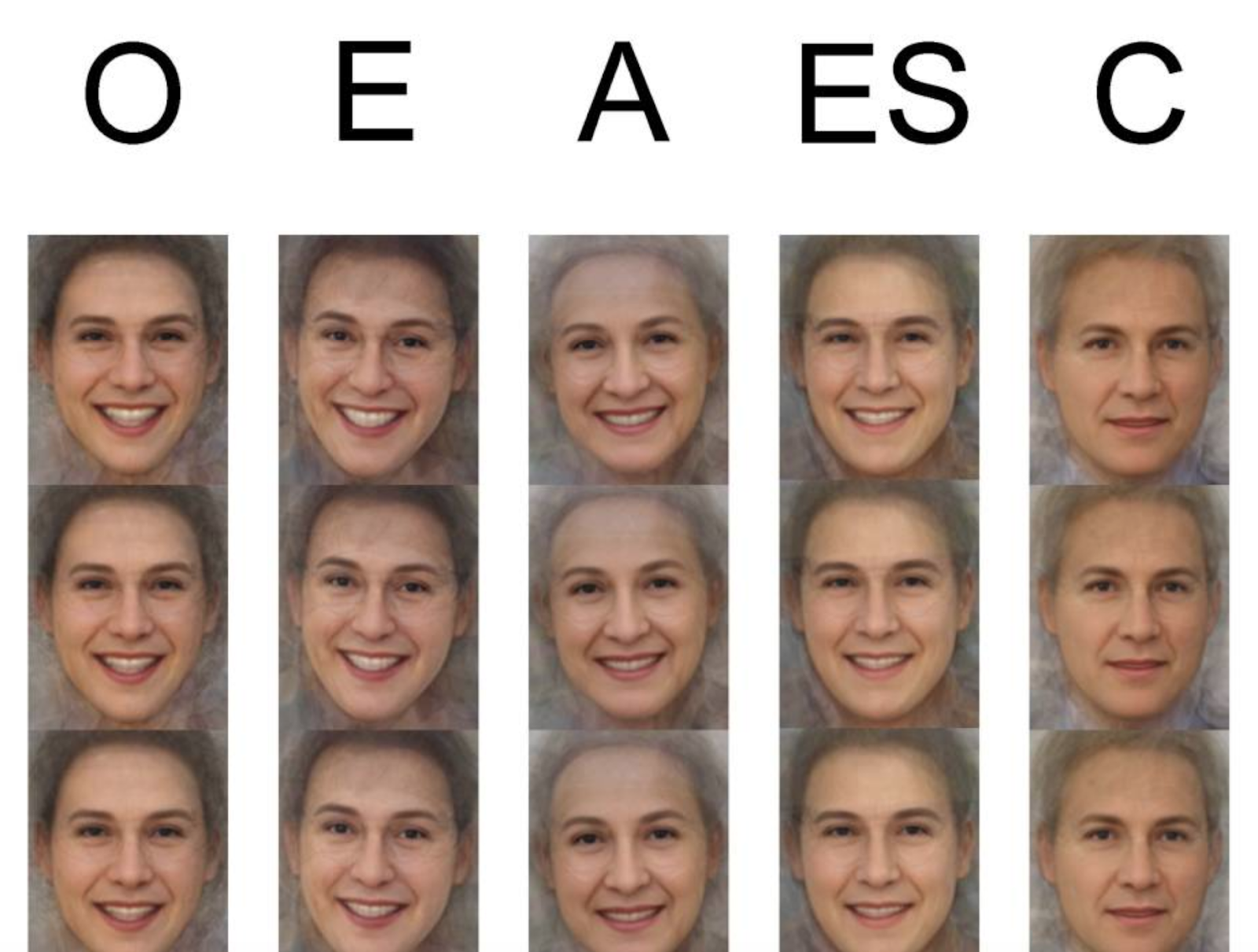
To get around this, researchers sometimes observe a subject’s responses to images, video, smell, and other stimuli (frequently used in other kinds of psychological experiments).

To measure the results of some kind of these stimuli on the brain, researchers rely on…
Brain scanning technologies
Modern brain scanning technologies allow us to observe the structure, activity, and function of the brain at a very detailed level.
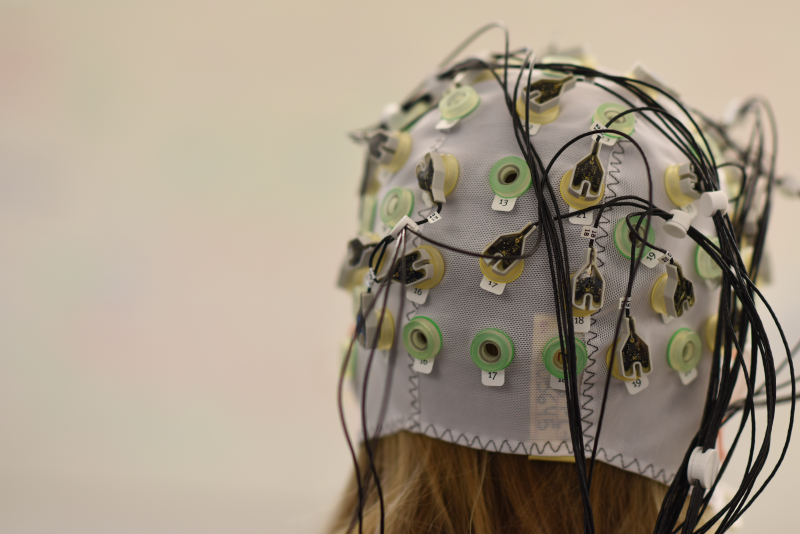
EEG (electroencephalography) tells us about the electrical activity in your brain.
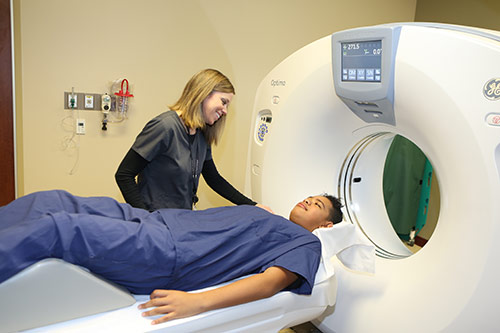
MRI (magnetic resonance imaging) creates images of your brain based on its magnetic properties.
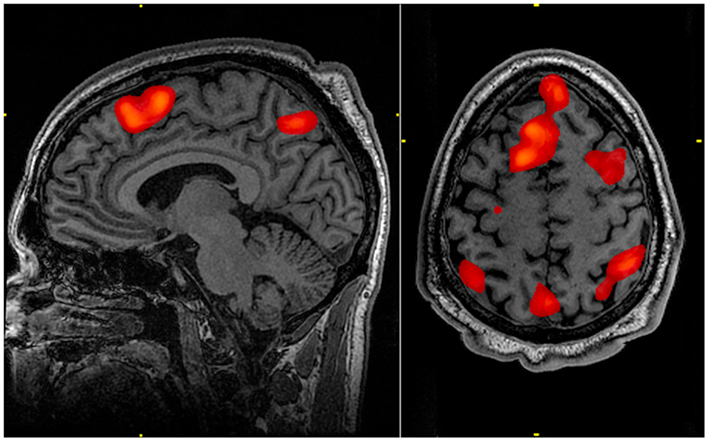
fMRI (functional MRI) tells you which parts of the brain are most active based on blood flow and oxygen use.
Molecular genetic studies
Everyone’s brain has the same structures and systems, for the most part. However, slight variations in these structures and systems can create large variations in personality.
Your DNA has the blueprint for your brain’s construction, so subsequently, it may hold tons of information about the parts of your personality that you inherited.
There are two types of genetic studies used in personality neuroscience…
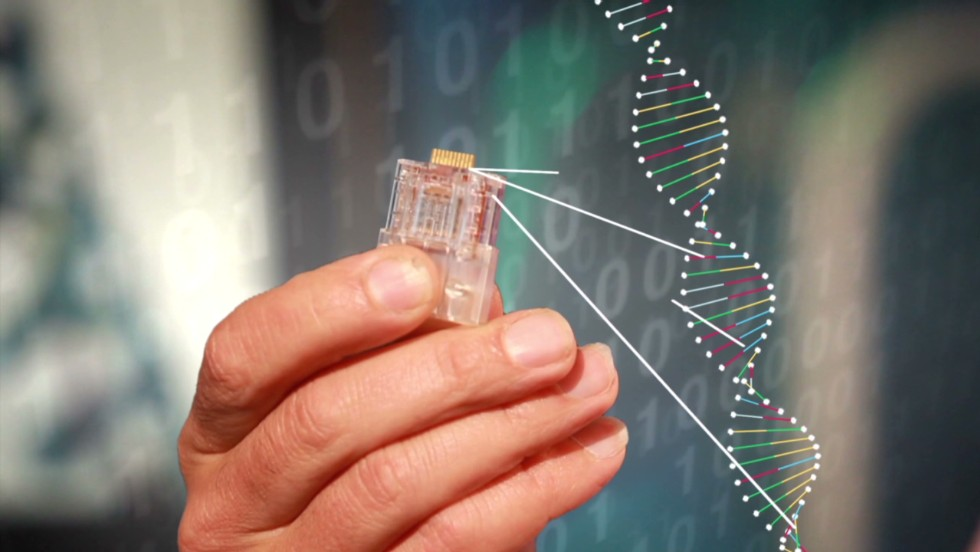
Candidate gene studiesseek to understand how a specific gene impacts a specific personality trait.
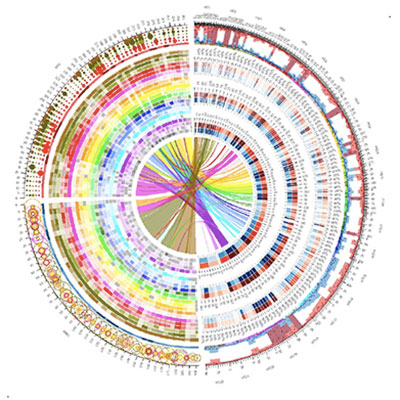
Genome-wide association studies(GWAS) scan the entire genome to find personality variations.
Genetic research is a massive field in itself, and personality research makes up a tiny sliver of it. However, it has already contributed some prettyinteresting dataand is rapidly picking up steam.
Good old-fashioned statistics
Studies in personality neuroscience look for statistically significantcorrelations between in brain structure/activity and individual personality traitswhen they conduct experiments.
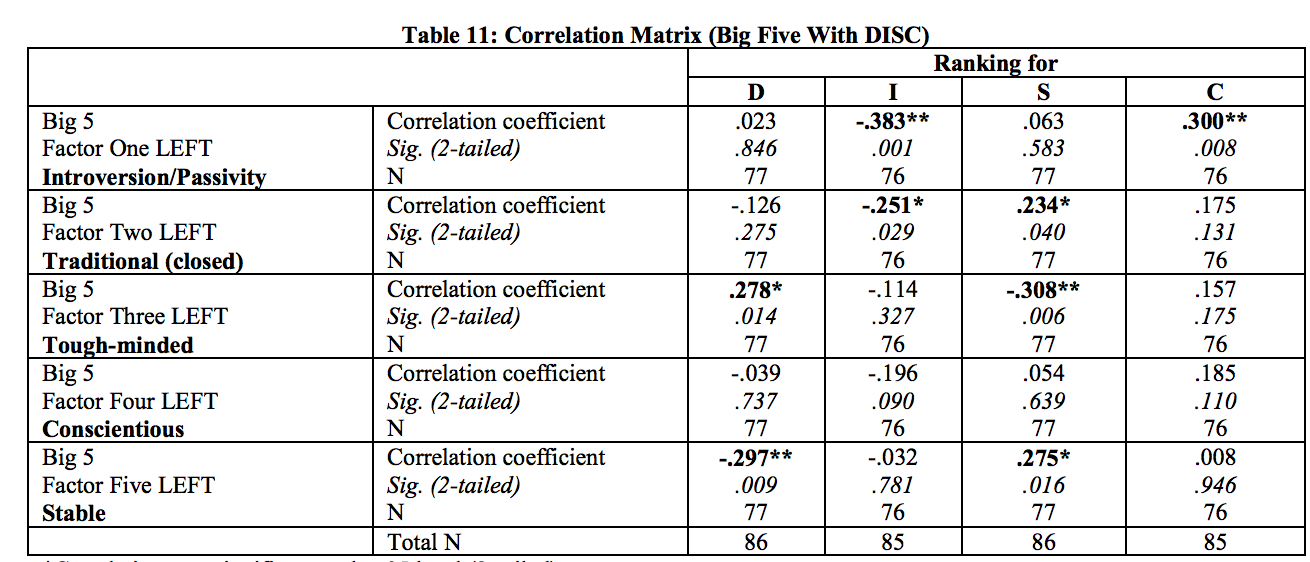
These correlations help us understand the positive and negative differences between personality traits and models.
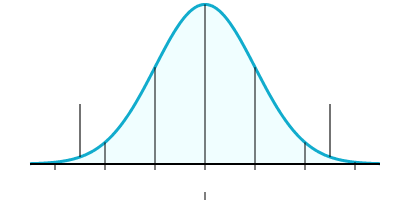
Personality traits usually exist on aBell Curve(or a “normal distribution”), which means most people are close to the average for a particular trait, but some people exist on the extremes.
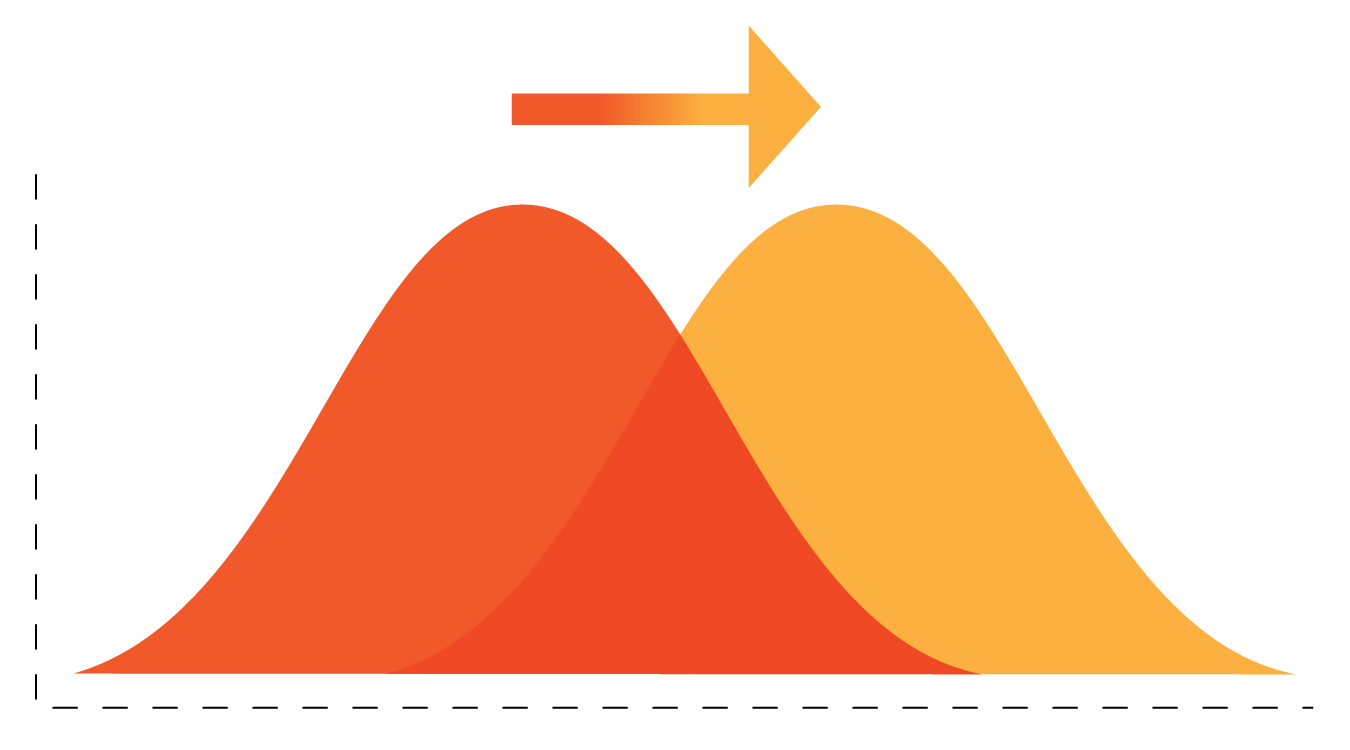
Overlapping bell curves are used to display broad personality differences across multiple populations. They’ve been known to causecontroversyat times.
Each of these tools has a specific purpose in personality neuroscience and they all have different costs associated with them. For example, you can take a free Big Five assessment on any number of websites, but a single MRI scan can cost thousands of dollars.
It’s important to note that personality neuroscience is still very young, so many of its early findings are preliminary in nature and are not yet well-supported enough to be considered fact. However, researchers have been able to make a lot of progress in understanding how our brains influence our natural behaviors.
In thenext post, we'll start getting into those specific ways that your brain can influence your personality.